
Starlink—SpaceX’s satellite-based internet service—has rapidly grown from a bold idea into one of the world’s most expansive global connectivity platforms, bringing high-speed internet to regions where traditional broadband can’t reach. Here’s why Starlink’s expansion is making headlines worldwide and what it means for users, businesses, and governments.
Starlink’s Worldwide Footprint: Now in 150+ Countries
Starlink has aggressively expanded its coverage across the globe, now serving over 150 countries and territories as of 2025. This makes it one of the widest satellite broadband networks in existence, reaching populations from North America to Africa, Asia, Oceania, and Latin America. Red94
This growth targets areas that historically struggled with reliable internet access—especially rural, remote, or underserved regions where fiber and cellular networks are limited or unviable due to infrastructure costs. Red94
New Country Launches: Expanding Access

Starlink’s rollout has included several recent country launches and strategic moves:
Bangladesh
Starlink launched commercial internet services in Bangladesh in May 2025, offering high-speed, low-latency internet across the country with competitive pricing and a one-time equipment cost. Reuters
Bhutan
In late 2024, Starlink services became available in Bhutan, with plans offering speeds up to ~110 Mbps and unlimited data, targeting areas with limited terrestrial infrastructure. India Today
Africa and Beyond
Partnerships across Africa—including a major collaboration with Airtel Africa—will bring Starlink’s direct-to-cell satellite services to 14 markets beginning in 2026. This upgrade promises 20× faster data speeds for smartphones in regions without ground networks. Reuters
India
Starlink has officially cleared regulatory approval to launch in India, with commercial service expected by late 2025 or early 2026. Local hiring, infrastructure setup, and licensing efforts are underway to support a full rollout that could rival existing broadband options in underserved areas. The Times of India+1
Direct to Cell in Ukraine
Ukraine is pioneering Starlink’s Direct-to-Cell messaging service, enabling basic messaging via satellites even during communication outages. Broader mobile broadband support is expected to roll out in 2026. Tom’s Hardware
How Fast Is Starlink Internet? Speeds & Performance

Starlink’s network performance has seen steady improvement due to ongoing satellite launches and network upgrades:
- Median speeds can range from around 100–200 Mbps under ideal conditions, with the network actively improving throughput and capacity. Reddit
- Latency often falls below 50 ms, which is competitive with many terrestrial broadband options and suitable for streaming, video calls, and casual gaming. TechStock²
- Upgrades to newer satellite generations and ground infrastructure are expected to boost overall performance even further in the next few years. TechStock²
Starlink’s low-Earth orbit (LEO) design—hundreds of satellites close to Earth—keeps latency lower than traditional geostationary satellite internet, making it more suitable for modern broadband needs.
Plan Types & Pricing Around the World
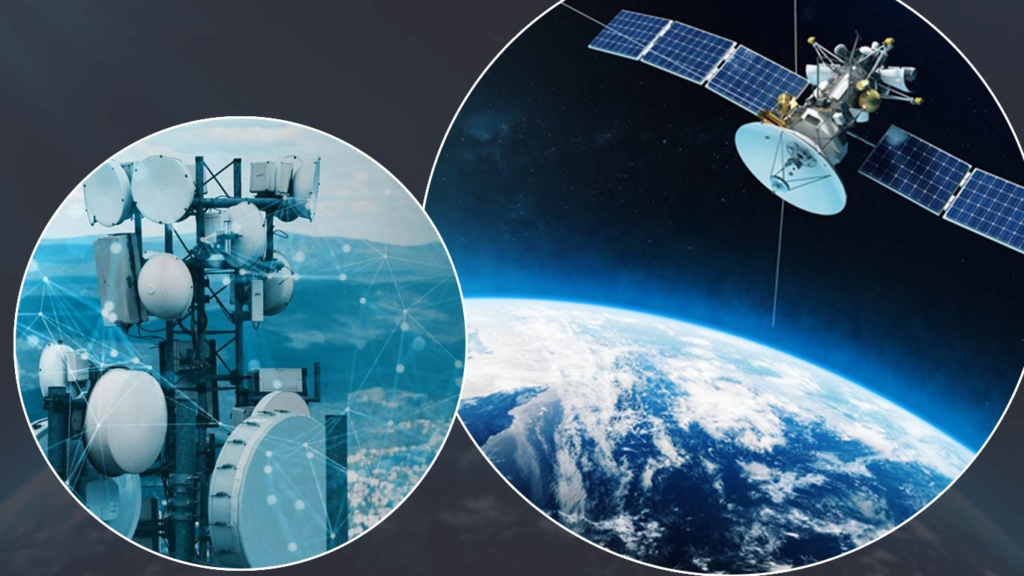
Starlink offers several service types tailored to different needs:
Major Service Tiers
- Residential Plans – Standard home internet connectivity
- Roam / Mobile Plans – Internet while traveling or in multiple regions
- Business / Priority Plans – Higher bandwidth and priority routing
- Maritime & Aviation Plans – Internet at sea and in flight TechStock²
Sample Pricing
Pricing varies widely based on region and plan level:
- In Bangladesh, plans start at about 4,000–4,200 Taka per month. Reuters
- In Bhutan, plans typically run around ₹3,000–₹4,200 per month. India Today
- In developed markets, user reports suggest new plans offering around $40/month for basic 100 Mbps service, with higher tiers at $80–$120/month. Reddit
In India, expected pricing points for plans are roughly ₹3,000–₹4,200/month with equipment kits around ₹33,000, aiming to make satellite broadband more accessible especially where fiber isn’t practical. The Economic Times
Why Starlink’s Expansion Matters
Bridging the Digital Divide
Satellite internet has the potential to bring connectivity to billions who lack fast broadband, especially in rural and remote regions where traditional networks don’t reach.
Emergency & Resilience Use Cases
Starlink has been deployed in disaster zones to restore communications when ground networks fail, highlighting its value beyond everyday use.
Direct-to-Device Innovations
New technologies like Direct-to-Cell services could connect standard smartphones directly to satellite networks, bypassing traditional infrastructure altogether—a major leap for global connectivity. Reuters
Future Outlook: Bigger Constellation, Better Speeds
Starlink plans to expand its satellite constellation significantly—potentially up to 42,000 satellites—to provide denser coverage, higher capacity, and more reliable service worldwide. The Economic Times
This growth positions satellite internet as a true alternative or complement to terrestrial broadband, especially in underserved communities and developing markets.
Starlink’s global expansion isn’t just about adding new countries—it’s reshaping how people access the internet:
- Fast, reliable connectivity where it never existed
- Flexible plans that fit many use cases
- Emerging tech like direct satellite-to-cell communication
As Starlink spreads into more regions like India, Africa, and parts of Southeast Asia, it could be the catalyst that finally bridges the global digital divide.
#Starlink #SatelliteInternet #FutureOfInternet #GlobalConnectivity #Carrerbook#Anslation#SpaceInternet #HighSpeedInternet #TechNews #InternetRevolution