
Samsung Galaxy phones continue to attract attention with their combination of advanced technology, modern design, powerful cameras, and smart features. With every new generation, Samsung looks for ways to improve the everyday smartphone experience while introducing innovations that make mobile technology more useful.
The next generation of Galaxy phones is expected to continue this approach. From artificial intelligence and camera improvements to performance, displays, battery technology, and connected features, Samsung has several areas where future devices could become even more capable.
Smarter AI Features
Artificial intelligence has become an important part of the Galaxy experience, and future Samsung phones are expected to make AI even more useful.
Instead of simply offering AI as a collection of separate tools, Samsung is moving toward features that can understand what users are doing and provide assistance at the right moment. Future Galaxy devices could offer smarter recommendations, improved voice commands, easier content creation, and more personalized experiences.
AI can also help with everyday tasks such as summarizing information, organizing notes, editing photos, translating conversations, and improving communication. As these capabilities become more integrated into smartphones, users may be able to complete tasks with fewer steps.
The biggest improvement could come from making AI feel natural rather than complicated. Users should not need to understand how the technology works to benefit from it.
Improved Camera Technology

Camera performance has always been one of the major selling points of Samsung Galaxy smartphones. Future models are expected to continue improving photography and video capabilities.
Better image processing could help smartphones capture more detail in difficult lighting conditions. Night photography, portraits, zoom photography, and moving subjects are all areas where software and hardware improvements can make a noticeable difference.
Samsung may also continue expanding AI-powered editing tools. Users could have more control over unwanted objects, lighting, backgrounds, and image composition without needing professional editing software.
Video recording is another area with room for improvement. Better stabilization, clearer audio, enhanced low-light recording, and more intelligent video processing could make Galaxy phones useful for casual creators as well as people who regularly produce social media content.
More Powerful Performance
Future Galaxy phones will likely feature newer processors designed to provide faster performance while improving efficiency.
A faster processor is useful for more than opening apps quickly. Modern smartphones handle gaming, photography, video editing, artificial intelligence, multitasking, and demanding applications simultaneously. Better processing power can help these tasks run more smoothly.
Improved efficiency is equally important. A powerful chip that uses less energy can help extend battery life and reduce heat during demanding activities.
For users, this could mean smoother gaming, faster photo processing, quicker AI features, and better long-term performance.
Better Displays
Samsung has built a strong reputation for smartphone displays, and future Galaxy models are expected to continue improving screen technology.
Higher brightness can make a phone easier to use outdoors, while better refresh rates can provide smoother scrolling and animations. Improved color accuracy can also benefit people who watch movies, edit photographs, or create digital content.
Future displays may also focus on reducing power consumption. Since the screen is one of the biggest sources of smartphone battery usage, improvements in display efficiency can contribute directly to longer battery life.
Foldable Galaxy phones could see even more interesting display developments. Samsung may continue working on thinner designs, stronger materials, improved hinges, and displays that are easier to use in everyday situations.
Longer Battery Life
Battery life remains one of the most important considerations when buying a smartphone.
While simply increasing battery capacity is one solution, Samsung can also improve battery performance through more efficient processors, displays, software optimization, and smarter power management.
Future Galaxy phones may become better at identifying apps and activities that consume unnecessary power. AI could also help manage battery usage based on individual habits.
Faster charging may remain another area of development. Users increasingly expect their phones to regain a significant amount of battery power in a short period, especially when they are traveling or working away from a charger.
Sleeker and More Practical Designs
Smartphone design has changed considerably over the years, and Samsung continues to experiment with materials, camera layouts, screen sizes, and form factors.
Future Galaxy phones could become thinner and lighter without sacrificing durability. Improvements in materials may allow manufacturers to create devices that feel premium while remaining practical for everyday use.
Ergonomics will also remain important. A phone may have an impressive specification list, but it still needs to feel comfortable in the hand.
Foldable models offer another opportunity for innovation. Samsung’s foldable Galaxy lineup could continue evolving with thinner bodies, improved durability, less noticeable display creases, and more useful multitasking features.
More Advanced Connectivity

Connectivity is another area where future Galaxy phones can become more capable.
Next-generation mobile networks can provide faster data speeds and lower latency in supported areas. Wi-Fi improvements can also make streaming, gaming, downloading, and video calls more reliable.
Samsung is also part of a larger connected-device ecosystem. Galaxy phones can work alongside tablets, watches, earbuds, computers, televisions, and other smart devices.
Future improvements could make switching between devices even more seamless. For example, users may be able to start an activity on one device and continue it on another with minimal effort.
Better Security and Privacy
As smartphones store more personal information, security is becoming increasingly important.
Samsung is expected to continue improving device security through hardware protection, biometric authentication, secure software, and privacy controls.
AI-powered features also create new privacy considerations. Users want smart technology, but they also want control over their personal information.
Future Galaxy devices could provide clearer privacy settings and more transparency around how information is processed. On-device processing can also be useful because certain tasks can potentially be handled directly on the phone rather than relying entirely on remote servers.
Smarter Software Experience

Hardware improvements are only part of the smartphone experience. Samsung’s software plays an equally important role.
Future Galaxy phones are expected to receive software designed around productivity, personalization, communication, entertainment, and AI.
A cleaner interface, better multitasking, improved notifications, and more useful customization options can make everyday phone use easier.
Samsung may also continue expanding features that allow users to personalize their devices. From home-screen layouts to system controls and connected-device settings, customization can help people create a phone experience that fits their individual needs.
Gaming and Entertainment Improvements
Mobile gaming has become increasingly sophisticated, and future Galaxy phones will likely be designed to handle demanding games more effectively.
Improved processors, graphics performance, cooling systems, and high-refresh-rate displays can contribute to a smoother gaming experience.
Entertainment should benefit as well. Better displays, stronger speakers, improved wireless connectivity, and enhanced video processing can make Galaxy phones excellent devices for watching movies, streaming content, and listening to music.
A Stronger Connected Galaxy Ecosystem
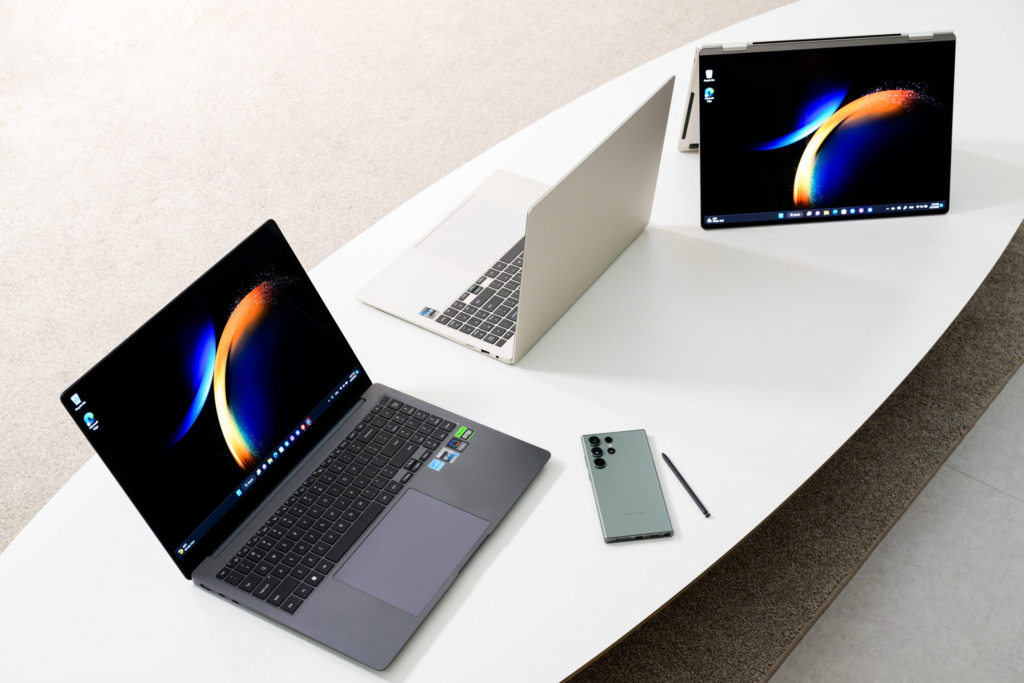
Samsung’s smartphone strategy is increasingly connected to its wider ecosystem.
A Galaxy phone can act as a central device for other products, including wearables, tablets, computers, earbuds, and smart-home equipment.
Future innovations could make this ecosystem more convenient. Health information from a wearable, files from a tablet, notifications from a computer, and smart-home controls could become easier to manage from a single Galaxy device.
This type of integration can be especially valuable for people who use several devices throughout the day.
What Users Should Expect
The future of Samsung Galaxy phones is likely to focus less on one dramatic change and more on improving many parts of the smartphone experience at the same time.
AI will probably remain one of the biggest areas of development, while cameras, performance, battery efficiency, displays, connectivity, and security will continue to evolve.
For consumers, the most meaningful innovations will be the ones that solve everyday problems. A faster phone is useful, but a phone that helps organize work, capture better photos, save battery, communicate across languages, and connect seamlessly with other devices can have a much bigger impact.
FAQ’s
1. What can we expect from new Samsung Galaxy phones?
New Galaxy phones may bring improved AI, cameras, performance, displays, battery efficiency, and connectivity.
2. Will future Galaxy phones have better AI features?
Yes, Samsung is expected to continue expanding AI features for productivity, photography, communication, and personalization.
3. Will Samsung improve Galaxy phone cameras?
Future models are expected to focus on better image processing, low-light photography, zoom, and video quality.
4. Will upcoming Galaxy phones have longer battery life?
Better processors, displays, and software optimization could help improve battery efficiency and overall usage time.
5. Are new Samsung Galaxy phones worth upgrading to?
It depends on your current phone and the improvements offered by the new model.