
We live in a culture that moves fast, expects a lot, and often treats burnout like an inevitable cost of living. We run on adrenaline, brush off fatigue, and tell ourselves we’ll take a breather once the next deadline passes or the current crisis settles down. But life rarely hands us a completely clear schedule.
Stress isn’t something that suddenly disappears once you cross a certain milestone or hit a specific income bracket. It simply changes shape. What keeps you awake staring at the ceiling in your early twenties looks drastically different from the heavy, quiet pressures that show up in your fifties or sixties.
The goal of stress management isn’t to build a life completely devoid of pressure—that’s practically impossible. Rather, it’s about learning how your body and mind react when things get intense, and putting simple, reliable habits in place so you can navigate life’s inevitable storms without losing yourself in the process.
How Stress Plays Out Across the Seasons of Life
Before you can tackle overwhelm, it helps to recognize how it actually manifests in your current chapter. Pressure rarely comes out of nowhere; it usually ties directly to the unique demands of your age and life circumstances.
Young Adults and Students: The Weight of Next Steps

In your late teens and twenties, stress almost always revolves around big, identity-defining decisions. You’re trying to figure out who you are, land a solid job, build a career, or manage demanding course loads—all while watching your peers post their highlight reels on social media.
- The Core Trigger: The constant fear of falling behind, financial insecurity, performance anxiety, and the nagging question of whether you’re making the “right” choices.
Working Professionals: The Burnout Trap
As you move further into your career, the nature of pressure shifts. Long hours, endless email threads, blurring lines between work and home, and job insecurity can turn daily life into a relentless grind.
- The Core Trigger: Trying to maintain high performance at work while keeping a personal life intact, leading directly to emotional exhaustion, brain fog, and chronic fatigue.
Parents and Caregivers: Running on Empty

Caring for children, aging parents—or frequently both at the same time—creates a distinct kind of physical and emotional strain. When your entire day is dedicated to taking care of everyone else’s needs, your own basic health routines tend to slide to the very bottom of the priority list.
- The Core Trigger: Compassion fatigue, decision fatigue, and an omnipresent sense of guilt that you’re somehow never doing enough for the people relying on you.
Older Adults: Navigating Shifts and Transitions
Later life brings its own profound shifts. Transitions like retiring from a lifelong career, adjusting to changes in physical health, losing close friends or partners, and experiencing social isolation can catch people off guard.
- The Core Trigger: A disorienting loss of daily routine, feeling disconnected from community, and coping with changing physical independence.
Down-to-Earth Habits for Real Stress Relief
When life feels like too much, you don’t need a complex 20-step wellness routine that takes up half your day. You need straightforward, practical strategies that reset your nervous system and give you room to breathe.
Build a Simple Daily Anchor
When everything around you feels chaotic, your brain craves predictability. Having a simple, consistent structure reduces decision fatigue because your mind doesn’t have to constantly calculate what comes next.
- How to apply it: Keep a steady wake-up and bedtime, even on the weekends. Protect at least 15 to 20 minutes every day just for yourself—whether that’s drinking your morning coffee in total peace, sitting on the porch, or reading a chapter of a book. Treat that time as non-negotiable.
Learn to Override Your Flight-or-Fight Response
When panic or frustration spikes, your physical body responds immediately: your heart rate jumps, your breathing turns shallow, and your muscles clench. You can’t always talk yourself out of an anxious state using logic alone, but you can use your breath to physically force your body to calm down.
- How to apply it: Practice the 4-7-8 breathing method. Inhale quietly through your nose for 4 seconds, hold your breath gently for 7 seconds, and exhale completely through your mouth with a soft swoosh sound for 8 seconds. Repeat this cycle 3 or 4 times to send an immediate physical signal to your brain that you are safe.
       THE NERVOUS SYSTEM RESET
┌──────────────────────────────────────────┐
│ INHALE (4 Sec)  --> Oxygenates the body  │
├──────────────────────────────────────────┤
│ HOLD   (7 Sec)  --> Calms heart rate     │
├──────────────────────────────────────────┤
│ EXHALE (8 Sec)  --> Triggers relaxation  │
└──────────────────────────────────────────┘
Get Comfortable Setting Firm Boundaries
Saying “yes” to every project, favor, or invitation is a quick way to burn out. Every time you say yes to something you don’t actually have the energy for, you are saying no to your own rest and mental well-being.
- How to apply it: Practice saying no without offering elaborate excuses. A clear, polite response is all you need: “I’d love to help out with this, but my bandwidth is totally full right now, so I wouldn’t be able to give it the focus it deserves.”
Use Physical Movement to Flush Out Tension


You don’t need to spend two hours pushing heavy weights at the gym to feel mental relief. Physical activity helps metabolize and clear out stress hormones like cortisol while stimulating endorphins that naturally lift your mood and improve your focus.
- How to apply it: When you feel stuck or overwhelmed at your desk, step away. A quick 15-minute brisk walk down the street or a few gentle stretches in your room is often enough to break up mental fog and reset your perspective.
Pull Your Mind Back to the Present
Anxiety thrives on future projection. It feeds on “what ifs,” worst-case scenarios, and overanalyzing things that haven’t even happened yet. Mindfulness isn’t about clearing your brain of all thoughts; it’s simply the habit of bringing your attention back to what is actually happening right now.
- How to apply it: Spend five minutes in the morning sitting quietly before you grab your smartphone or open your email inbox. Notice your surroundings, feel your feet on the floor, and tune into your breathing.
Stop Trying to Carry Everything Alone
Stress thrives when you isolate yourself. Holding everything inside makes problems feel bigger and heavier than they actually are. Just venting about a tough day to someone who genuinely listens can physically lighten the load.
- How to apply it: Reach out to a friend for a quick catch-up, talk things through with a professional counselor, or join a local group centered around a hobby you love. Connecting with others reminds you that you aren’t fighting your battles in a vacuum.
Break Big Problems Down to the Next Small Step

Attempting to tackle massive, overwhelming problems all at once leads straight to paralysis. Shifting your focus away from everything you can’t fix right now toward one or two tiny things you can do immediately restores your sense of personal agency.
- How to apply it: Take out a piece of paper and write down the single challenge bothering you most right now. Below it, list 2 small, concrete actions you can finish within the next hour. Focus entirely on completing those two items and ignore the rest for now.
          ACTION OVER OVERWHELM
┌─────────────────────────────────────────┐
│ Identify the Heavy Problem              │
└────────────────────┬────────────────────┘
                     │
                     ▼
┌─────────────────────────────────────────┐
│ Write Down 2 Micro-Actions              │
└────────────────────┬────────────────────┘
                     │
                     ▼
┌─────────────────────────────────────────┐
│ Focus Entirely on Step 1                │
└─────────────────────────────────────────┘
Practical Daily Stress Relief Framework
| Strategy | Daily Action Step | Key Mental Benefit |
|---|---|---|
| Routine | Maintain fixed wake/sleep times and set aside 20 mins for rest | Reduces decision fatigue and creates stability |
| Breathwork | Practice 4-7-8 breathing when tension creeps in | Mechanically lowers heart rate and calms fight-or-flight |
| Boundaries | Use simple, polite refusals when your bandwidth is maxed | Prevents burnout and preserves personal energy |
| Movement | Take a 15-minute walk outside during midday breaks | Flushes out cortisol and lifts your immediate mood |
| Focus | Pick 2 small, manageable tasks when feeling overwhelmed | Restores a sense of control and breaks paralysis |
Making Resilience a Natural Part of Your Life
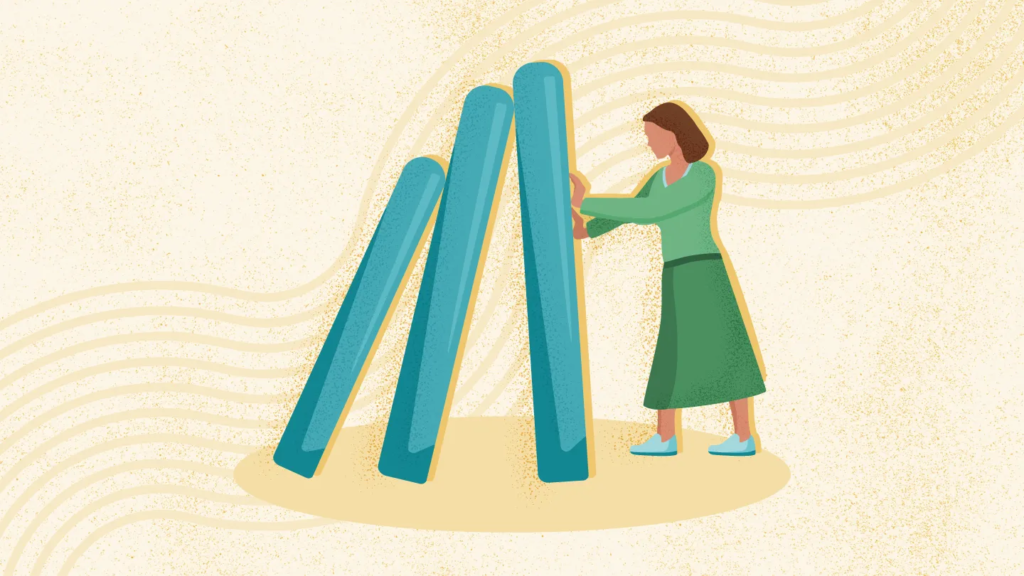
Learning to manage stress isn’t about making a massive life transformation overnight. In fact, trying to overhaul your entire lifestyle all at once usually just adds more stress to your plate.
Instead, view resilience as a quiet daily habit built through tiny, consistent choices. Pick one or two small strategies from this guide that feel manageable right now. Maybe that means setting a firm boundary at work, going for a short walk after lunch, or leaving your phone in another room an hour before bed. Once those small changes feel natural, you can gradually layer in other supportive habits.
It also helps when the spaces where we spend our time—our homes, workplaces, and communities—make room for flexibility and open conversations about mental health. When we drop the pretense that we have to be perfect and start supporting one another, building true, lasting resilience becomes much easier for everyone.
FAQ’s
1. What is stress management?
Stress management involves healthy habits and techniques that help you cope with everyday stress.
2. What are simple ways to manage stress?
Try regular exercise, relaxation techniques, good sleep habits, time management, and taking regular breaks.
3. Can exercise help reduce stress?
Yes. Regular physical activity can support mood and help many people manage stress more effectively.
4. Can meditation help with stress?
Mindfulness and meditation may help promote relaxation and improve awareness of stressful thoughts.
5. When should I seek professional help for stress?
If stress feels overwhelming, lasts for a long time, or interferes with daily life, consider speaking with a qualified health professional.