
Science and technology are shaping the world around us in ways that affect almost every part of daily life. From smartphones and artificial intelligence to medical discoveries, space exploration, renewable energy, and advanced transportation, new ideas are constantly changing how people live, work, communicate, and solve problems.
Understanding science and technology does not require an advanced technical background. The basic ideas behind many modern innovations can be explained in simple and practical ways. By learning more about scientific discoveries and technological progress, we can better understand the world today and imagine what the future may bring.
What Is the Relationship Between Science and Technology?
Science and technology are closely connected, but they are not exactly the same. Science focuses on understanding how the natural world works through observation, research, testing, and evidence.
Technology uses knowledge, discoveries, and engineering to create tools, systems, and solutions that solve problems or improve everyday life.
For example, scientific research may help us understand how diseases develop, while technology can use that knowledge to create medical tests, treatments, or devices.
Together, science and technology help society discover new possibilities and turn ideas into practical solutions.
The Growth of Artificial Intelligence

Artificial intelligence has become one of the most important areas of modern technology. AI systems can analyse information, recognise patterns, understand language, generate content, and support decision-making.
AI is already being used in many industries, including healthcare, education, finance, transportation, customer service, and entertainment.
The future of AI may bring even more advanced tools that help people complete tasks, analyse complex information, and solve problems more efficiently.
However, the development of AI also raises important questions about privacy, security, employment, fairness, and responsible use. As technology continues to advance, thoughtful rules and human oversight will remain important.
The Future of Healthcare
Science and technology are changing healthcare in significant ways. Medical researchers are working to understand diseases, improve treatments, and develop new ways to support patients.
Technology can help doctors analyse medical information, monitor health conditions, and improve communication between patients and healthcare professionals.
Wearable devices can also help people track information such as activity, heart rate, and sleep patterns. These tools may encourage people to become more aware of their health habits.
Future medical discoveries could lead to more personalised treatments and improved methods of detecting health problems earlier.
Renewable Energy and a Changing Planet
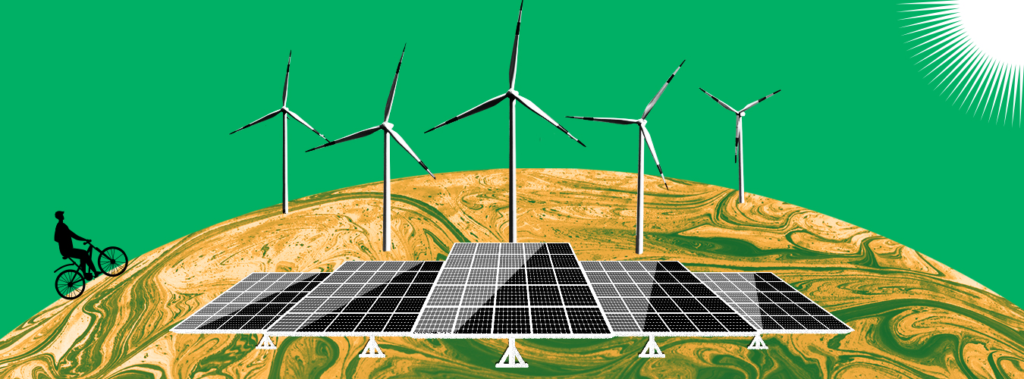
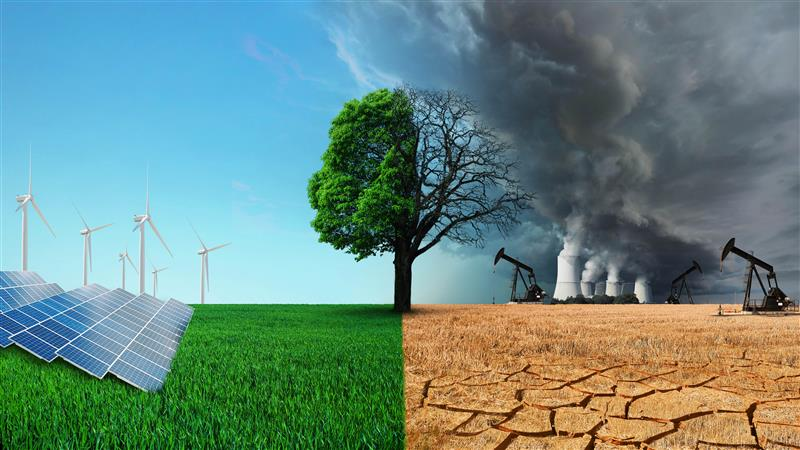
Energy is one of the most important challenges facing the future. Renewable energy sources such as solar, wind, hydroelectric, and geothermal power are becoming increasingly important.
Scientific research and engineering are helping improve energy efficiency, storage systems, and renewable technologies.
Better batteries could help store energy from renewable sources for use when the sun is not shining or the wind is not blowing.
The development of cleaner energy technologies could play an important role in reducing environmental impact and supporting a more sustainable future.
Exploring Space
Space exploration continues to expand our understanding of the universe. Scientists study planets, stars, galaxies, black holes, and other objects to learn more about how the universe formed and how it continues to change.
Space technology has also contributed to many everyday services. Satellites support communication, navigation, weather forecasting, and environmental monitoring.
Future missions may explore the Moon, Mars, and other parts of the solar system in greater detail.
Space exploration can also encourage scientific education and inspire new generations to study science, engineering, mathematics, and technology.
The Development of Smart Technology

Smart technology has become part of everyday life. Smartphones, smart home devices, connected appliances, and wearable technology can communicate with networks and collect information.
Smart devices can help people manage schedules, control home systems, track fitness, and access information quickly.
As connected technology develops, homes, workplaces, and cities may become increasingly automated.
However, greater connectivity also creates concerns about data security and privacy. Users need to understand how information is collected, stored, and used.
The Future of Transportation
Transportation technology is changing rapidly. Electric vehicles, improved public transportation, autonomous systems, and new aircraft technologies are all being developed.
Electric vehicles are becoming more popular as manufacturers work to improve battery performance, charging infrastructure, and driving range.
Autonomous transportation systems may eventually change how people and goods move, although safety, regulation, and technical challenges remain important considerations.
The future of transportation could be cleaner, more efficient, and increasingly connected.
Robotics and Automation
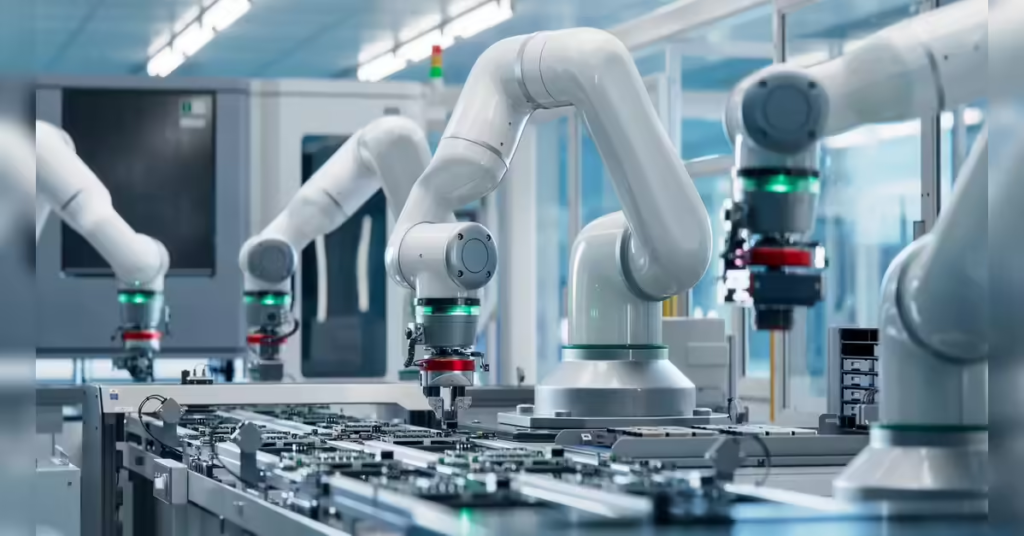
Robots are being used in manufacturing, healthcare, research, agriculture, logistics, and many other fields.
Automation can help complete repetitive or dangerous tasks. Robots may also be used in environments that are difficult or unsafe for humans.
As robotics technology improves, machines may become more capable of working alongside people.
The future of work will likely involve a combination of human creativity, decision-making, communication, and technological assistance.
Technology in Education
Digital technology has changed the way people learn. Online courses, educational platforms, digital libraries, interactive applications, and virtual learning environments provide access to information from almost anywhere.
Technology can make education more flexible and accessible. Students can learn at their own pace and explore subjects through videos, simulations, and interactive resources.
However, technology should support learning rather than replace the importance of teachers, critical thinking, and meaningful communication.
The Importance of Cybersecurity
As more information moves online, cybersecurity becomes increasingly important.
Individuals, businesses, schools, and governments all need to protect digital information from unauthorised access, scams, malware, and other online threats.
Basic cybersecurity habits include using strong passwords, enabling multi-factor authentication, keeping software updated, and being careful with suspicious links and messages.
As technology advances, cybersecurity will remain an important part of digital life.
The Role of Data and Research
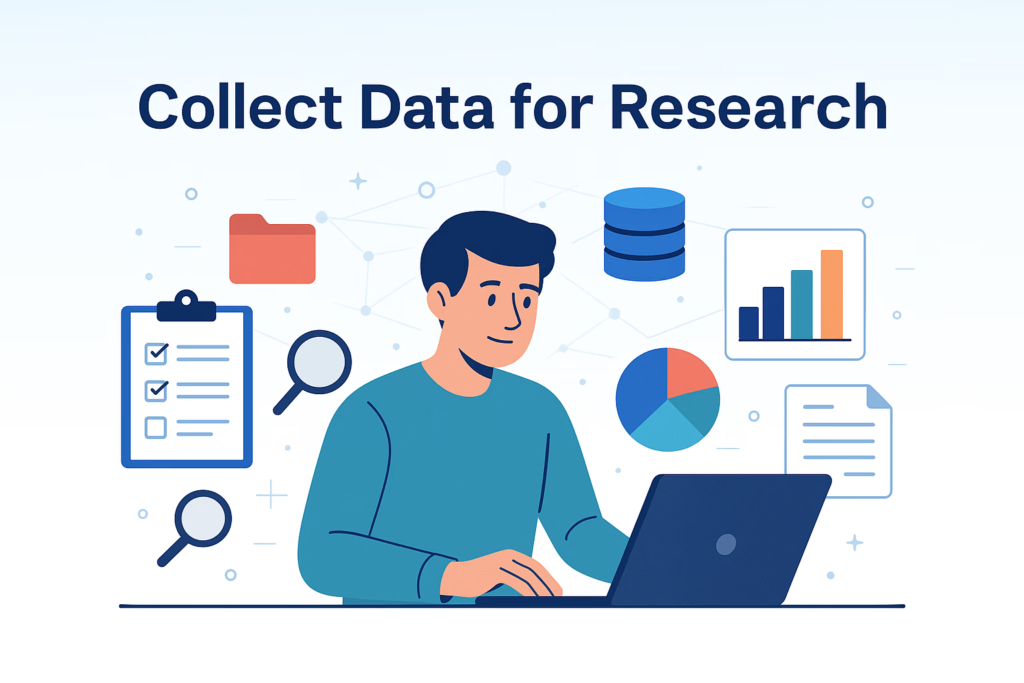
Data plays an important role in modern science and technology. Researchers and organisations use data to identify patterns, understand behaviour, measure results, and make informed decisions.
Large amounts of data can help scientists study climate patterns, medical research, consumer behaviour, and many other subjects.
However, data must be collected and used responsibly. Privacy, accuracy, transparency, and security are important considerations.
Good science depends on reliable evidence and careful research.
Sustainable Technology
Technology can help address environmental challenges, but it can also create new problems. Electronic waste, energy consumption, resource use, and manufacturing impact all require careful consideration.
Sustainable technology focuses on creating solutions that reduce waste, improve efficiency, and use resources more responsibly.
Examples may include energy-efficient devices, recyclable materials, renewable energy systems, and improved methods of manufacturing.
The future of technology will need to focus not only on innovation but also on long-term sustainability.
Why Scientific Thinking Matters
Science is not only about laboratories and complex research. Scientific thinking involves asking questions, examining evidence, testing ideas, and being willing to change conclusions when new information becomes available.
These skills are useful in everyday life. They can help people evaluate information, recognise unreliable claims, and make better decisions.
In a world filled with information, critical thinking is becoming increasingly important.
The Future of Innovation

Innovation often begins with a simple question: Can something be done better?Scientists, engineers, researchers, designers, and entrepreneurs continue to explore new solutions to challenges in health, energy, transportation, communication, food, and the environment.
Some ideas will succeed, while others will require further development. Progress often comes through experimentation, learning from failure, and improving existing solutions.
The future is likely to be shaped by the combination of scientific discovery and human creativity.
How to Keep Learning About Science and Technology
Anyone can continue learning about science and technology. Reading reliable educational resources, watching science programmes, exploring online courses, and following major discoveries can help build knowledge.
It is also useful to focus on topics that genuinely interest you. Space, biology, technology, climate, engineering, physics, and artificial intelligence all offer opportunities to explore new ideas.
Learning does not have to be complicated. Even understanding one new concept at a time can gradually build a stronger understanding of the world
FAQ’s
1. What is the difference between science and technology?
Science studies how the world works, while technology applies knowledge to create tools and solutions.
2. How is technology shaping the future?
Technology is advancing areas such as AI, healthcare, renewable energy, transportation, and space exploration.
3. Why is scientific research important?
Scientific research helps us understand the world, solve problems, and develop new innovations.
4. What are some important future technologies?
Artificial intelligence, robotics, renewable energy, smart technology, and advanced healthcare are key areas of development.
5. How can I learn more about science and technology?
Read reliable resources, explore educational courses, follow new discoveries, and stay curious about emerging technologies.