
The global economy is entering a new phase of growth and transformation in 2026. Rapid technological innovation, shifting consumer behavior, changing trade relationships, and sustainability initiatives are reshaping how businesses operate and how people earn, spend, and invest their money. While economic challenges such as inflation and supply chain disruptions continue to influence markets, new opportunities are emerging across industries.
Understanding these trends helps individuals, entrepreneurs, investors, and businesses make smarter financial decisions. By staying informed, you can better prepare for changes that may affect employment, investments, business growth, and everyday living.
The Global Economy in 2026
Economic growth is becoming increasingly driven by innovation rather than traditional industries alone. Digital technologies, artificial intelligence, renewable energy, and advanced manufacturing are creating new markets while transforming existing ones.
Governments and businesses are investing heavily in infrastructure, digital transformation, and sustainable development to support long-term economic growth. At the same time, consumers are demanding greater convenience, transparency, and environmentally responsible products.
Artificial Intelligence Is Transforming Industries
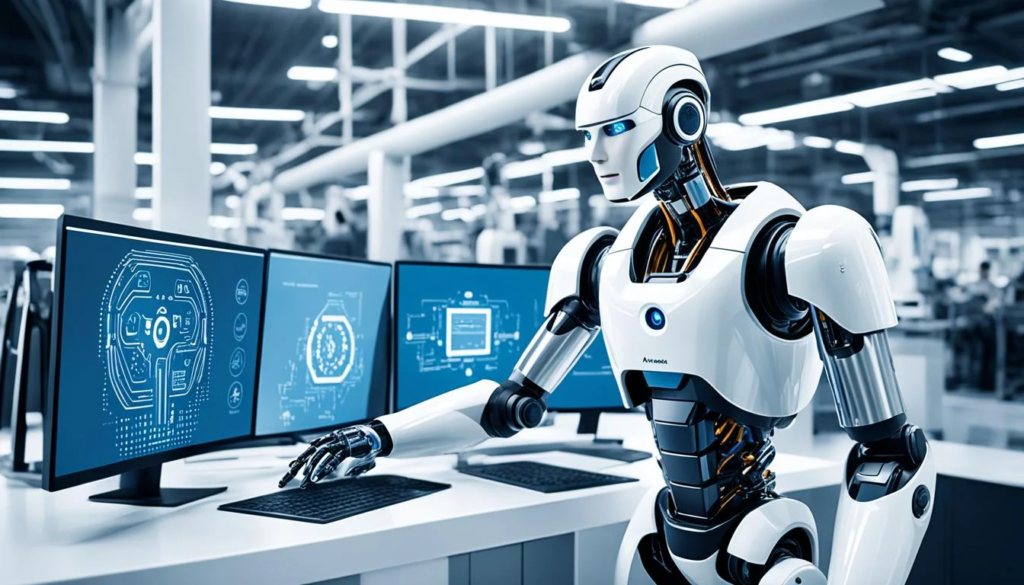
Artificial intelligence has become one of the biggest drivers of economic growth. Businesses are using AI to automate repetitive tasks, improve customer service, analyze large amounts of data, and increase productivity.
Healthcare providers are improving patient care through AI-assisted diagnostics. Financial institutions are detecting fraud more effectively. Retail companies are personalizing shopping experiences, while manufacturers are optimizing production processes.
Although automation changes some traditional jobs, it also creates demand for skilled professionals in software development, cybersecurity, data analysis, digital marketing, and AI management.
Digital Economies Continue to Expand
Digital commerce continues to grow as consumers increasingly shop, work, learn, and communicate online. Businesses of all sizes are investing in digital platforms to reach wider audiences and improve customer experiences.
Cloud computing, online payment systems, remote collaboration tools, and subscription-based services have become essential components of modern business operations. Companies that embrace digital transformation are often better positioned to compete in global markets.
Sustainable Growth Is Becoming a Priority

Environmental responsibility is no longer simply a social initiative—it has become an important economic strategy. Governments and private organizations are investing in renewable energy, green technologies, electric transportation, and environmentally friendly manufacturing.
Businesses adopting sustainable practices often benefit from improved efficiency, stronger customer trust, and long-term cost savings. Investors are also paying closer attention to companies with responsible environmental and governance practices.
Inflation and Interest Rates Remain Important
Although inflation has eased in many regions compared to previous years, rising prices continue to affect household budgets and business expenses. Central banks carefully monitor inflation while adjusting interest rates to support stable economic growth.
Consumers are becoming more selective with spending, while businesses are focusing on cost management, operational efficiency, and smarter investment strategies.
Supply Chains Are Becoming More Resilient
Recent global disruptions highlighted the importance of strong supply chains. Companies are diversifying suppliers, increasing local manufacturing, and adopting digital tracking technologies to reduce future risks.
More resilient supply chains help businesses respond faster to changing customer demand while reducing delays and unexpected costs.
Small Businesses Have New Opportunities

Technology has lowered many barriers for entrepreneurs. Small businesses now have access to affordable marketing tools, e-commerce platforms, cloud software, and global marketplaces.
Digital advertising, social media, online payment systems, and automation enable startups to compete with much larger organizations. Entrepreneurs who embrace innovation and customer-focused strategies have greater opportunities to grow successfully.
The Workforce Continues to Evolve
Remote work, hybrid workplaces, and flexible employment models are becoming standard across many industries. Employers increasingly value skills such as adaptability, communication, problem-solving, and digital literacy.
Continuous learning has become essential as professionals update their knowledge in emerging technologies, business management, finance, and data analytics to remain competitive.
Global Trade Is Adapting
International trade continues to evolve as countries strengthen regional partnerships and diversify trade relationships. Businesses are exploring new markets while reducing dependence on single suppliers or regions.
Advances in logistics, digital documentation, and cross-border e-commerce are making international business more accessible for companies of every size.
Consumer Behavior Is Changing
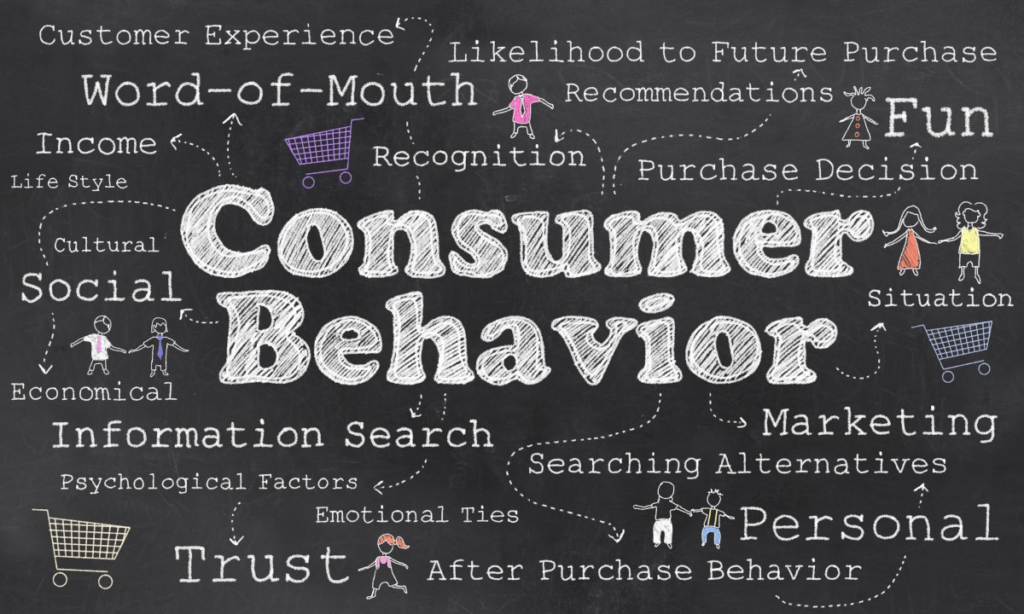
Modern consumers prioritize convenience, value, quality, and sustainability. Online research plays a major role in purchasing decisions, and customers expect fast delivery, personalized experiences, and transparent pricing.
Businesses that understand changing customer expectations can build stronger relationships and maintain long-term growth.
Investment Trends to Watch
Investors are increasingly interested in sectors with strong long-term growth potential, including:
- Artificial intelligence
- Renewable energy
- Healthcare innovation
- Financial technology
- Cybersecurity
- Cloud computing
- Electric vehicles
- Advanced manufacturing
Diversification and long-term planning remain important strategies for managing investment risk.
Challenges Facing the Global Economy
Despite positive opportunities, several challenges remain:
- Geopolitical uncertainty
- Inflationary pressures
- Climate-related risks
- Labor shortages in specialized industries
- Cybersecurity threats
- Global debt levels
- Rapid technological disruption
Businesses and governments must continue adapting to these challenges while encouraging innovation and economic stability.
Preparing for the Future


Individuals and organizations can prepare for economic changes by:
- Building valuable digital skills.
- Investing in continuous education.
- Adopting new technologies.
- Managing finances responsibly.
- Following market trends regularly.
- Supporting sustainable business practices.
- Diversifying income and investment opportunities.
Preparation and flexibility will remain essential qualities in a rapidly changing global economy.
Conclusion
The global economy in 2026 is defined by innovation, digital transformation, sustainability, and evolving consumer expectations. While economic uncertainty still exists, technological progress and new business opportunities continue to create positive momentum across industries.
Whether you are a business owner, student, professional, or investor, understanding these emerging trends can help you make informed decisions and prepare for future success. Those who embrace change, continue learning, and adapt to new economic realities will be best positioned to thrive in the years ahead.
FAQs
1. What is driving the global economy in 2026?
Technology, AI, digital transformation, and sustainable development are major growth drivers.
2. How does inflation affect the economy?
Inflation impacts prices, consumer spending, business costs, and interest rates.
3. Why is AI important for the economy?
AI improves productivity, creates new jobs, and helps businesses innovate and grow.
4. What industries are expected to grow in 2026?
AI, renewable energy, healthcare, fintech, cybersecurity, and e-commerce are expected to see strong growth.
5. How can individuals prepare for economic changes?
Build new skills, manage finances wisely, stay informed about market trends, and continue learning.